GRP Structural Profiles About
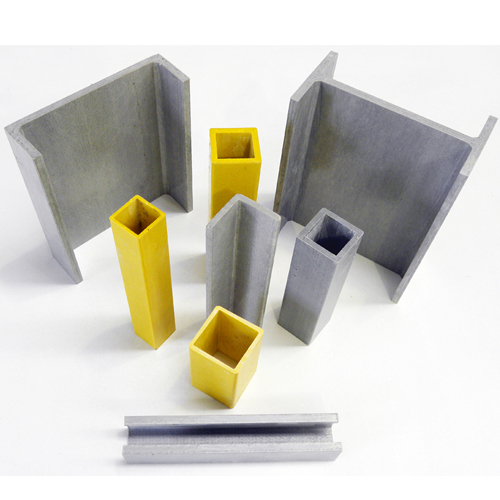
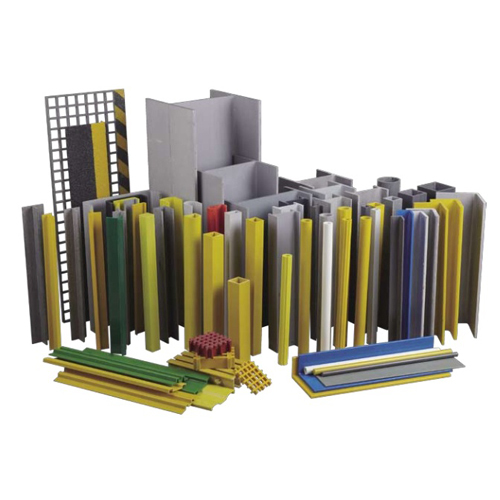
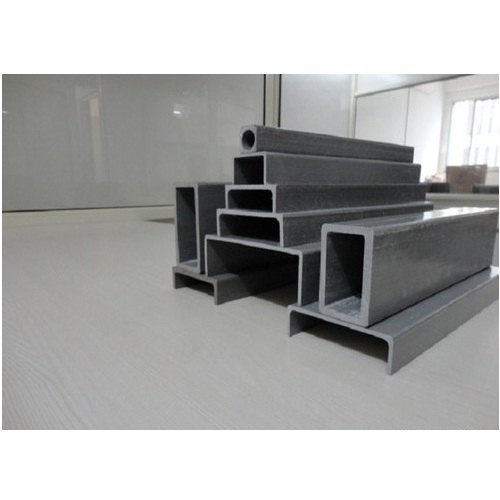
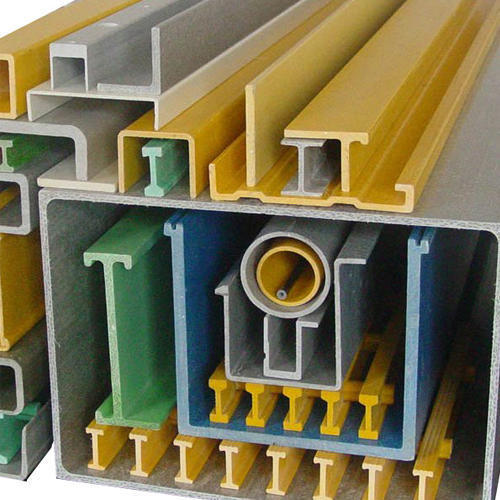
Expert organizations stock an extensive variety of GRP profiles. Then, in fact, progressed GRP Structural Profiles conveys incredible erosion protection and toughness to give a practical, other option to steel, aluminum, and timber. These pultrusions are utilized as a part of an extensive variety of uses, offering a remarkable blend of size steadiness, concoction protection, warm, and high quality, electric non-conductivity. Fabricated from glass strengthened isophthalic polyester tar, a ceaseless strand tangle and polyester surface shroud as the surface layer. Every composite structure shape is accessible in various measurements to suit for an assortment of plan and application prerequisites. For uncommon utilizations, custom shapes are likewise accessible.
Specification
| Density | 1.72 - 1.95 gm/cc |
| Brand | Aeron |
| Design | Customized |
| Material | GRP |
| Country of Origin | Made in India |
| Surface Treatment | GRP |
| Length | Up to 6m |
 Outstanding Durability and Corrosion Resistance
Designed to withstand harsh chemicals and marine environments, GRP Structural Profiles are ideal for construction in areas exposed to corrosive substances. Their corrosion resistance ensures optimal lifetime performance even in salt water, acids, or alkalis, making them a reliable choice for chemical plants and coastal infrastructure.
Safe and Reliable for Industrial ApplicationsWith high dielectric properties, these profiles are non-conductive, offering enhanced electrical insulation-an asset for power plants and cable management systems. The fire retardant options (compliant with ASTM E84/EN13501) further enhance safety, making them a preferred material where fire safety is crucial.
Flexible Design and Minimal UpkeepCustomizable in color, length, thickness, and profile shape, these structural members can be tailored for virtually any construction requirement, from ladders and handrails to walkways and support frameworks. Their low maintenance needs and easy cleaning further reduce total lifetime costs.
FAQ's of GRP Structural Profiles:
Q: How are GRP Structural Profiles manufactured for customized shapes and sizes?
A: GRP Structural Profiles are produced through a pultrusion moulding process, which allows for continuous lengths and precise control over profile dimensions. This ensures a wide range of customizable shapes such as angles, channels, I-beams, and gratings, and enables tailoring length, width, and thickness to specific project needs.
Q: What applications are best suited for GRP Structural Profiles?
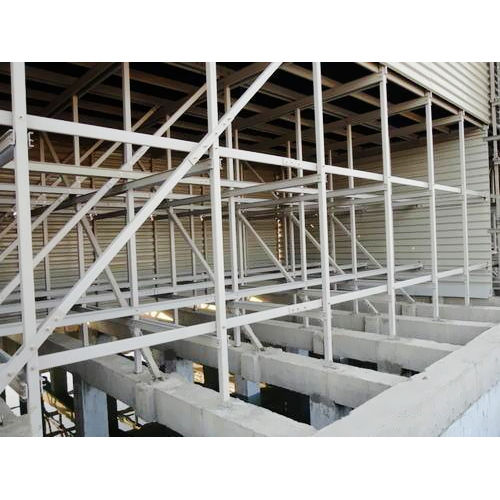
A: These profiles are ideal for industrial platforms, walkways, ladders, handrails, cable trays, and structural frameworks. Their strength, corrosion resistance, and electrical insulation properties make them especially valuable in construction, marine, chemical, power, and water treatment facilities.
Q: Where can GRP Structural Profiles be installed for maximum benefit?
A: Installations in corrosive environments-such as chemical processing plants, marine settings, cooling towers, and outdoor platforms-greatly benefit from GRP profiles. Their UV resistance, durability, and low maintenance make them suitable for both indoor and outdoor structural applications.
Q: What are the key benefits of using GRP profiles over traditional materials like steel or aluminium?
A: GRP profiles are lightweight yet strong, with high tensile (240 MPa) and flexural strength (200 MPa). Unlike metal alternatives, they offer superior corrosion resistance, electrical insulation, low water absorption, and require minimal maintenance. Their long lifespan-up to 50 years-reduces replacement and repair costs over time.
Q: How does the fire retardancy of these profiles meet safety standards?
A: GRP Structural Profiles are available with fire retardant resin systems meeting ASTM E84 or EN13501 standards. This makes them suitable for settings where stringent fire safety regulations apply, enhancing both personnel and infrastructure protection.
Q: What customization options are available for color and surface coatings?
A: Standard colors include yellow, green, and grey, but profiles can be customized to virtually any shade. Surface coatings are generally polyester or epoxy resin, offering added protection based on specific application requirements.


 Send Inquiry


 Send Inquiry



 Send Inquiry
 Send SMS
 Call Me Free


 English
 Spanish
 French
 German
 Italian
 Chinese (Simplified)
 Japanese
 Korean
 Arabic
 Portuguese