About Fiber Reinforced Profile
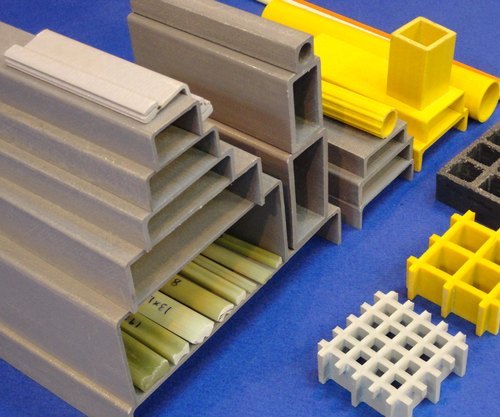
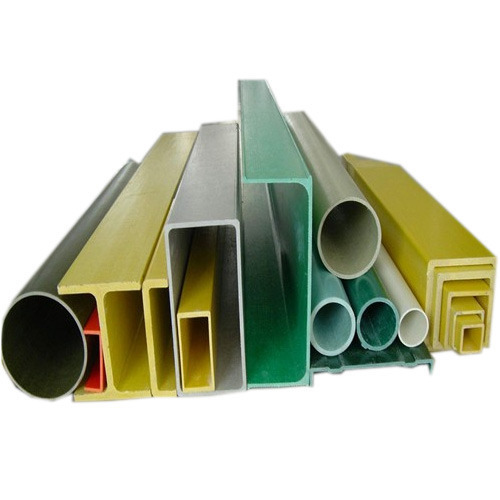
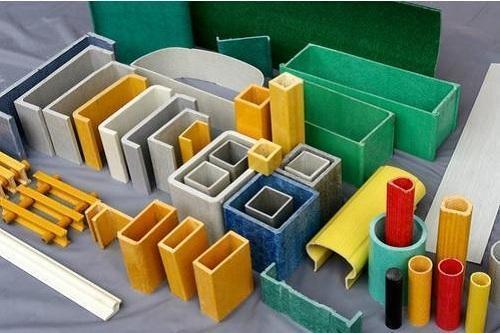
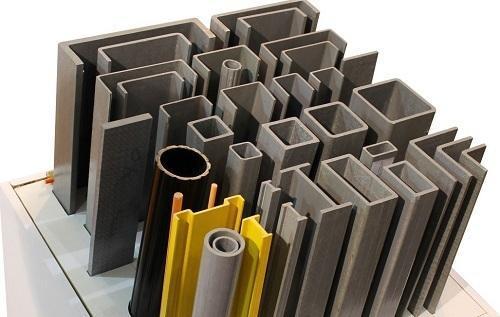
Fiber Reinforced Profile (FRP) refers to a composite material that is made up of a polymer matrix reinforced with fibers. It is used in a wide range of applications, including building and construction, automotive, aerospace, marine, and sports equipment. Available in different sizes, it is lightweight, durable, and has excellent strength-to-weight ratios, making it an ideal material for applications where weight reduction is critical. Fiber Reinforced Profile (FRP) is typically manufactured using one of two methods: pultrusion or filament winding. It can be designed to meet specific mechanical and physical properties required for the application.
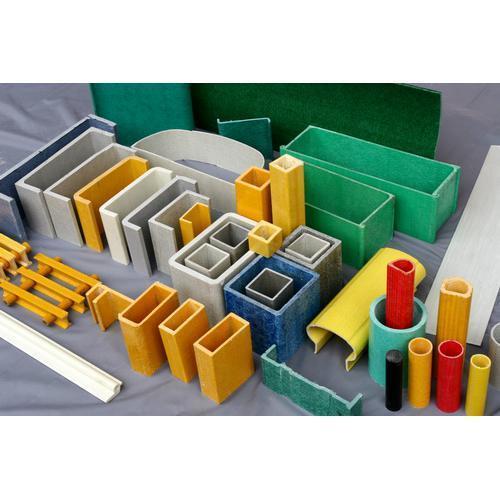
Durable Construction MaterialFiber Reinforced Profiles are engineered to meet the rigorous demands of the construction industry. Their rectangular shape and protective coating ensure optimal performance and long-lasting resilience, making them suitable for a range of structural applications. Designed for resistance to harsh environmental conditions, these FRP profiles are a dependable choice for modern infrastructure projects.
Versatile and CustomizableAvailable in standard sizes and multi-color options with a coated surface, our FRP profiles provide flexibility for various construction needs. Their adaptability and aesthetic appeal support architectural creativity while ensuring the technical requirements of each project are met. Choose these profiles to experience both functionality and design versatility in your construction endeavors.
FAQ's of Fiber Reinforced Profile:
Q: How are Fiber Reinforced Profiles used in construction projects?
A: Fiber Reinforced Profiles are widely utilized for structural support, cladding, frameworks, and other applications in construction thanks to their strength, lightweight properties, and resistance to corrosion.
Q: What benefits do coated FRP profiles offer compared to traditional materials?
A: Coated FRP profiles offer exceptional durability, low maintenance, and superior resistance to corrosive environments, making them more reliable and cost-effective than conventional materials like steel or wood.
Q: When should Fiber Reinforced Profiles be considered for a construction project?
A: FRP profiles are ideal when your project requires lightweight, strong materials that withstand harsh weather or corrosive conditions, such as in coastal, chemical, or industrial installations.
Q: Where can these multi-color, standard-size, rectangular FRP profiles be sourced?
A: These profiles can be sourced from reputable Indian manufacturers, exporters, and suppliers specializing in high-quality, coated FRP products for the construction industry.
Q: What is the manufacturing process of Fiber Reinforced Profiles?
A: FRP profiles are typically produced through a process called pultrusion, where fibers are impregnated with resin and pulled through a heated die, resulting in consistent shape, size, and surface finish.
Q: What are the key usage advantages of fiber reinforced plastic (FRP) profiles?
A: Key advantages include resistance to corrosion, versatility in color and shape, lightweight design, electrical insulation, and the ability to maintain structural integrity in challenging environments.


 Send Inquiry


 Send Inquiry



 Send Inquiry
 Send SMS
 Call Me Free


 English
 Spanish
 French
 German
 Italian
 Chinese (Simplified)
 Japanese
 Korean
 Arabic
 Portuguese